

Maintaining good health goes beyond simply feeling well—it’s about ensuring your body operates at its peak. Routine health screenings play a crucial role in identifying potential concerns early, enabling prompt action. Key tests to track include resting heart rate, blood pressure, body mass index (BMI), and stress levels.
Key health indicators, what they reveal, and why monitoring them matters:
1. Resting heart rate
What it measures:
Resting heart rate measures how many times your heart beats per minute (BPM) when your body is in a relaxed state.
Why it’s important:
Your resting heart rate serves as a measure of cardiovascular fitness. A lower rate typically signifies that your heart is working efficiently, delivering more blood with fewer beats.
What your results indicate:
An elevated (high) resting heart rate (above 100 BPM) may signal factors such as stress, dehydration, high blood pressure, or underlying heart conditions. Conversely, a low resting heart rate (below 60 BPM, unrelated to fitness) could indicate issues like bradycardia, potentially leading to dizziness, fatigue, or fainting.
Healthy range:
- Normal: 60-100 BPM
- Athletes: 40-60 BPM
2. Blood pressure
What it measures:
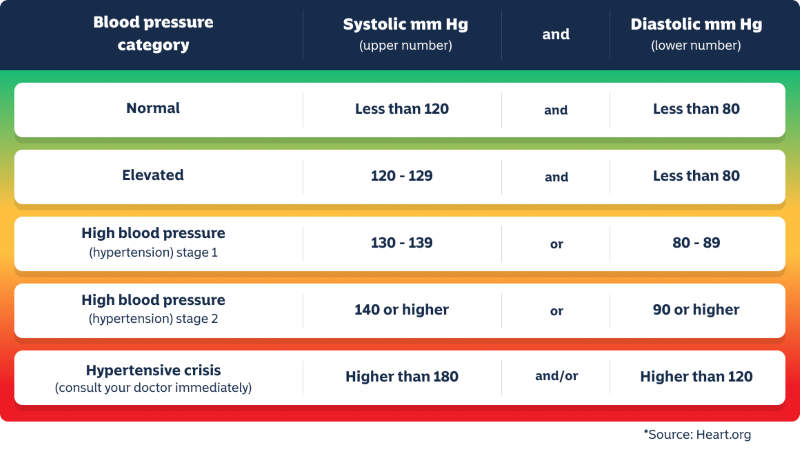
Blood pressure represents the force exerted by blood against the walls of arteries as the heart pumps. It is expressed using two numbers:
- Systolic pressure (upper number): Pressure when the heart beats.
- Diastolic pressure (lower number): Pressure when the heart is at rest between beats.
Why it’s important:
Keeping blood pressure within a healthy range reduces the risk of heart disease, stroke, and kidney complications.
What your results indicate:
Elevated (high) blood pressure (hypertension – 130/80 mmHg or above) can heighten the risk of heart attack, stroke, and kidney failure.
Low blood pressure (hypotension – below 90/60 mmHg) can cause dizziness, fainting, and, in extreme cases, lead to shock.
Healthy range:
- Normal: Less than 120/80 mmHg
- Elevated: 120-129/<80 mmHg
- Hypertension: 130/80 mmHg or higher
3. Body mass index (BMI)
What it measures:
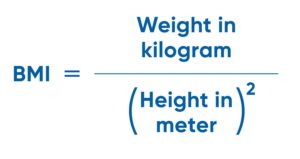
BMI is a measurement of body size based on height and weight. However, it’s not the most precise indicator of whether your weight is appropriate for your height, as it does not account for key factors such as age, gender, and body composition (fat, muscle, and bone). Additionally, BMI may not be an accurate assessment for certain ethnic groups, pregnant individuals, adolescents under 19, athletes or those with high muscle mass, and individuals with conditions that affect body fluid levels. The formula for calculating BMI is:
Why it’s important:
BMI helps evaluate weight classifications and potential health concerns. An elevated BMI may be linked to an increased risk of conditions such as diabetes and heart disease.
What your results indicate:
Underweight (BMI < 18.5): May suggest an underlying health condition.
Overweight (BMI 25-29.9): Increases risk of cardiovascular disease and diabetes.
Obese (BMI ≥ 30): Associated with high cholesterol, high blood pressure, and increased risk of chronic diseases.
Healthy range:
- Underweight: Below 18,5
- Normal: 18,5-24,9
- Overweight: 25-29,9
- Obese: 30 and above
4. Stress level
What it measures:
Although “excessive stress” lacks a clear-cut definition, it can be assessed through physiological responses and the body’s reaction to stress. Stress tests analyze both stress triggers—factors that induce stress—and stress response, which evaluates how an individual reacts emotionally, biologically, and cognitively to these triggers.
Stress tests assess both physical and psychological indicators of stress, such as adrenaline and cortisol levels, heart rate variability, brain wave patterns, and perceived stress scores derived from questionnaires.
Why it’s important:
Persistent stress can contribute to health issues like high blood pressure, anxiety, depression, and a compromised immune system.
What your results indicate:
Elevated (high) stress levels are associated with a higher likelihood of cardiovascular disease, sleep disturbances, and mental health challenges.
Low stress levels are typically advantageous, but excessive detachment or lack of motivation may be a sign of depression.
Healthy range:
- Moderate, manageable stress is normal.
- Chronic high stress should be addressed with lifestyle changes, relaxation techniques, or medical intervention.
Tracking four essential health metrics—resting heart rate, blood pressure, BMI, and stress levels—regularly can offer valuable insights into your overall well-being. Momentum Multiply’s digital health assessment, accessible through the Multiply app, utilizes facial scanning technology to measure these critical indicators at no cost.
If you consistently observe unusual results, consulting a healthcare professional is crucial to identify potential causes and take proactive measures to enhance your well-being.
Your well-being is your responsibility—monitor it closely and stay proactive!
Please note that any information in our posts, documents, infographics, emails etc is general information and should not be considered as providing financial advice. We therefore disclaim all liability and responsibility arising from any reliance placed on such information by any reader, client or visitor to our website. Though we make every effort to ensure the accuracy of the information provided we accept no liability for any inaccuracies.