
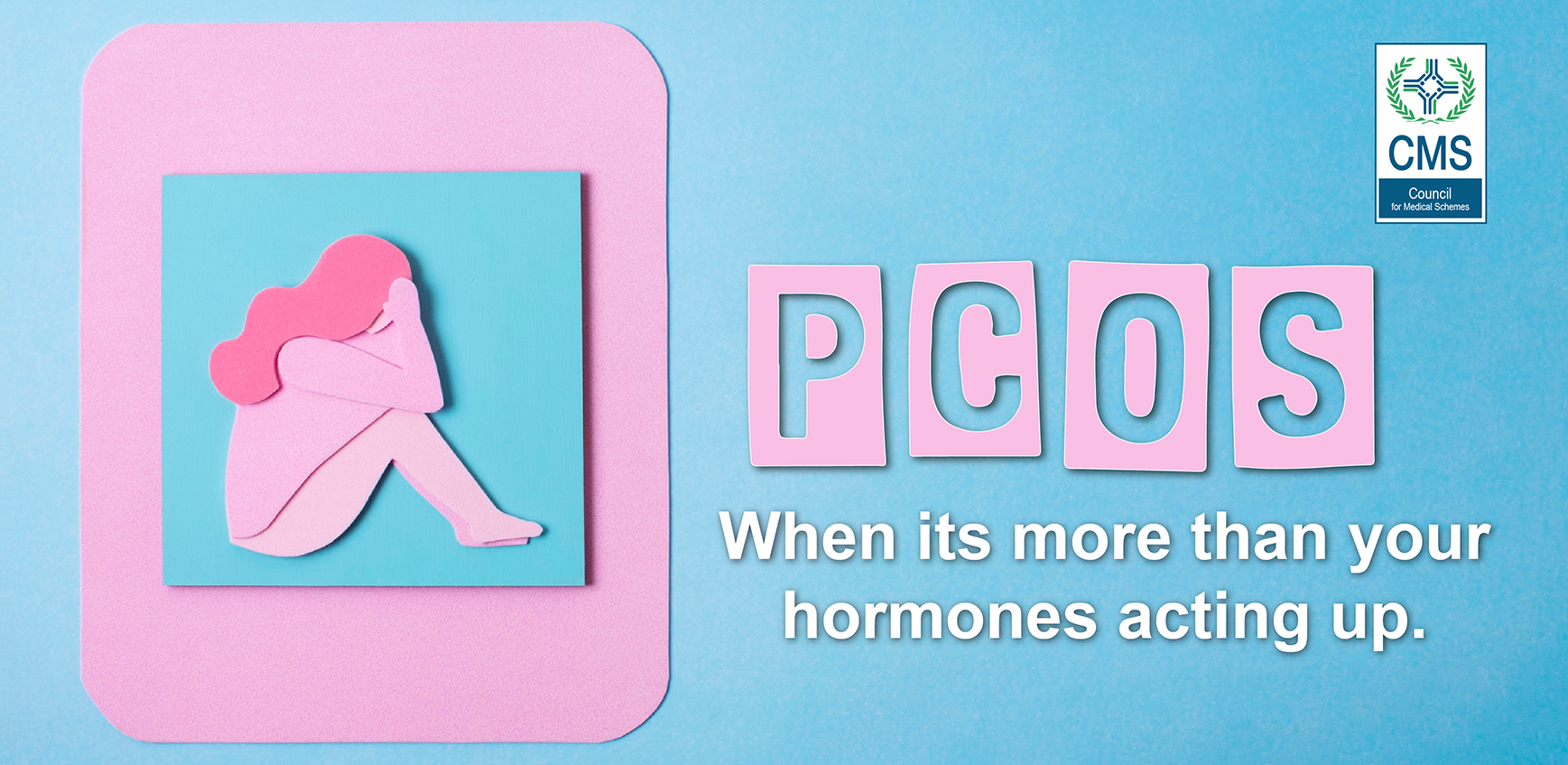
Polycystic Ovary Syndrome (PCOS) is a common health condition that affects many girls and women, but not enough people talk about it. If your periods are irregular, your skin is breaking out more than usual, or you are struggling to lose weight despite your efforts, it might be more than just hormones “acting up”, PCOS might be part of the reason.
In this article, we take a closer look at PCOS and the signs and risk factors to look out for. We also explain how it is diagnosed and managed, as well as what your medical scheme is required to cover at the Prescribed Minimum Benefits (PMB) level of care.
Signs and Symptoms
PCOS can present differently for each woman, but some common symptoms include:
Menstrual and fertility symptoms such as heavy, long, intermittent, unpredictable, or absent periods, ovulation issues and difficulty falling pregnant.
Physical and hormonal symptoms such as excess facial and/or body hair, acne and/or oily skin or thinning hair on the scalp.
Weight and metabolic symptoms such as weight gain, especially around the abdomen, difficulty losing weight and increased risk of diabetes.
PCOS can also affect emotional well-being, leading to anxiety, low self-esteem, or depression.
Risk factors for PCOS
You may be at higher risk if you have:
A family history of PCOS
Insulin resistance or diabetes
Hormonal imbalances
Excess body weight
Diagnosis and treatment
There is no single test to diagnose PCOS. Healthcare providers usually assess a combination of:
Your symptoms, medical history, physical examination, blood tests to check hormone levels, and an ultrasound of the ovaries.
While PCOS has no cure, it can be managed effectively with the right care. Treatment depends on your symptoms, age, health goals, and whether you are planning to fall pregnant.
Healthy lifestyle changes such as:
Eating a balanced diet, exercising regularly, and maintaining a healthy weight are important.
In some cases, medication may be prescribed to help regulate periods, improve hormone balance, and manage other symptoms.
What is covered under PMB level of care?
PCOS is a Prescribed Minimum Benefits (PMB) condition, meaning your medical scheme must cover the costs of diagnosis, treatment, and care when you use a Designated Service Provider (DSP). This includes both medical and surgical treatments, such as hormone therapy, for ovarian and hormonal conditions, including hirsutism.
Make sure your healthcare provider submits the correct ICD-10 codes and tariff codes to and any necessary clinical information so your PMB benefits can be applied. Your scheme may also have a list of approved, cost-effective treatments and medicines.
Leaving PCOS untreated can lead to serious long-term health risks, including diabetes, heart disease, infertility, and endometrial cancer. The CMS is here to guide medical scheme members with information on the right care and support for women with PCOS to live healthy, productive lives.
This article is courtesy of the Council for Medical Schemes
Please note that any information in our posts, documents, infographics, emails etc is general information and should not be considered as providing financial advice. We therefore disclaim all liability and responsibility arising from any reliance placed on such information by any reader, client or visitor to our website. Though we make every effort to ensure the accuracy of the information provided we accept no liability for any inaccuracies.